What is VDP (Visual Descent Point)

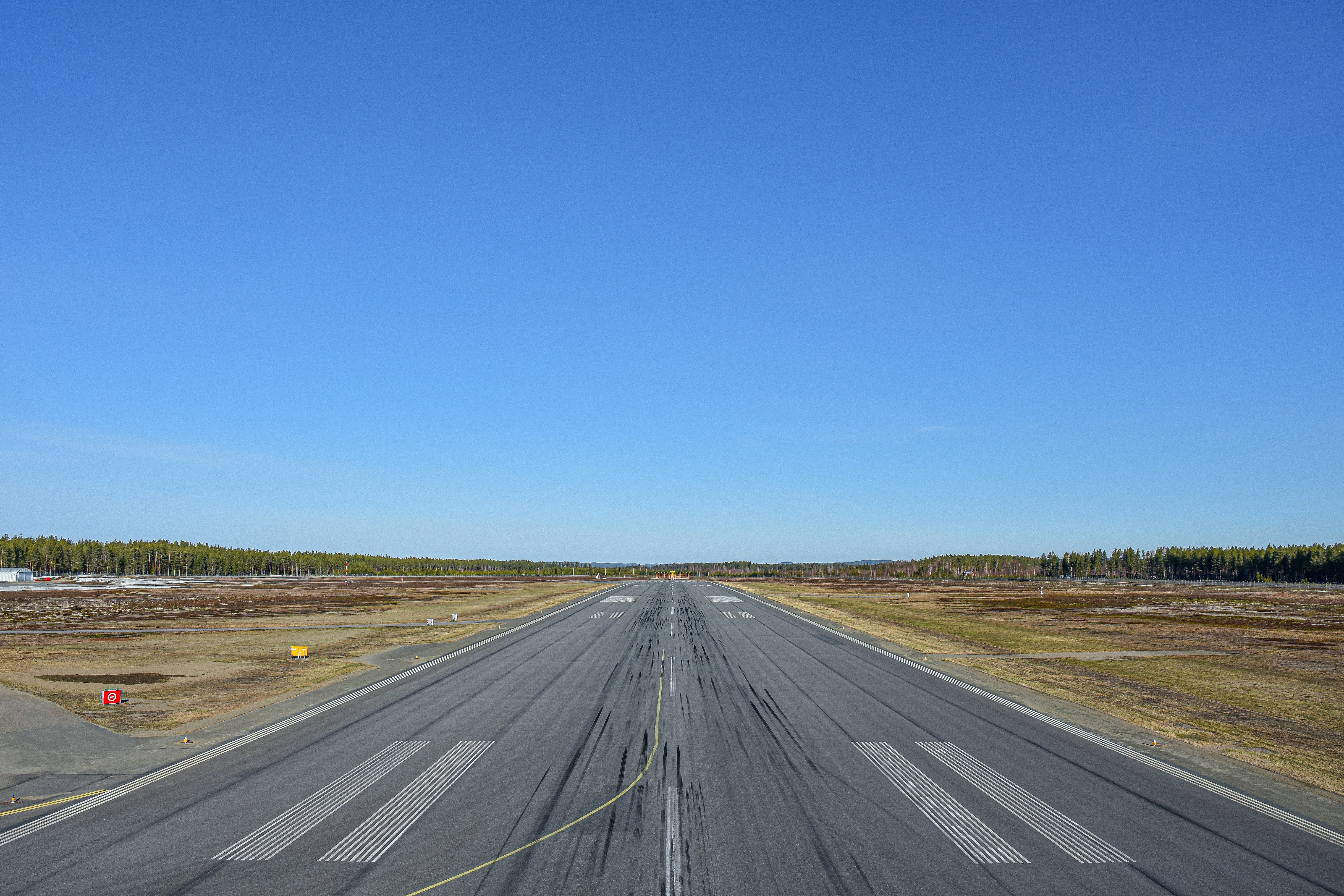
VDP (Visual Descent Point) according to the AIM:
A defined point on the final approach course of a nonprecision straight‐in approach procedure from which normal descent from the MDA to the runway touchdown point may be commenced, provided the approach threshold of that runway, or approach lights, or other markings identifiable with the approach end of that runway are clearly visible to the pilot.
The VDP is found in instrument approach procedure charts with a bolded "V" near the final approach segment.
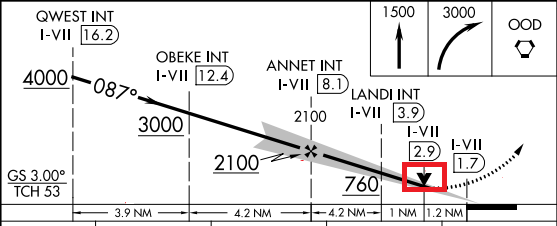
To summarise the definition found in the AIM, it is a defined point of an non-precision straight-in approach which allows a normal descent from the MDA to the touchdown point.
What does it mean?
There is no regulation that says the VDP is the decision point where a pilot has to decide if they land or execute a missed approach. A pilot is perfectly in his legal right to go pass the VDP (granted they are above the MDA), have visual of the runway, and decide to have a higher rate of descend in order to land. However, from Part 91, there is a section in 91.175 that states a pilot must have "normal rate of descent using normal maneuvers" on IFR landings.
§ 91.175(c)(1) says that
The aircraft is continuously in a position from which a descent to a landing on the intended runway can be made at a normal rate of descent using normal maneuvers, and for operations conducted under part 121 or part 135 unless that descent rate will allow touchdown to occur within the touchdown zone of the runway of intended landing;
Therefore we can say that VDP is a strong suggestion to use the defined point as a decision point in order to allow a normal rate of descent along the glide scope angle (in this example is 3 degrees). It is in the pilot's decision to factor in the performance and limitation of the aircraft, the runway, and weather to land.
You should also read:
What is a Balanced Field Length?
The balanced field length is the concept that in an aircraft's V1 calculation, the accelerate go distance required and accelerate stop distance required is equal. The accelerate go distance assumes that the aircraft can reach V2 and clear a 35 feet obstacle clearance with one…
Continue reading...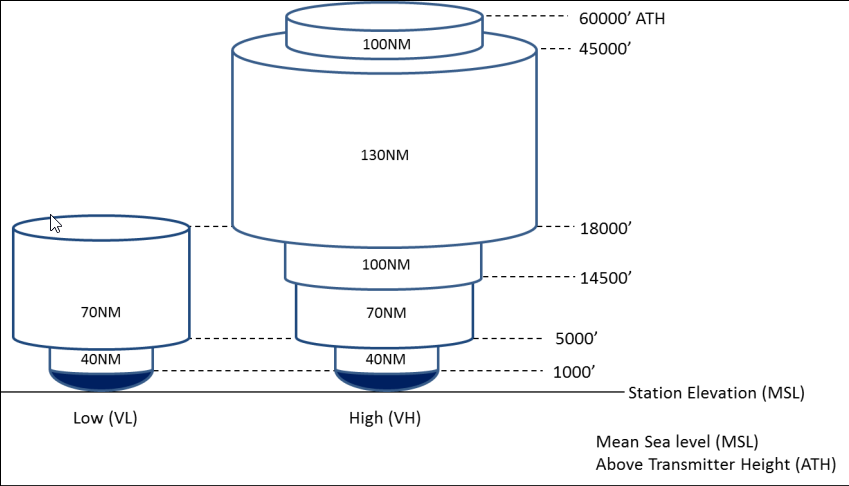
What are the VOR / DME Service Volumes
Standard Service Volumes is the three dimensional area in which it guarantees Navigation Aid (NavAid) signal strength, course protection, and interference protection. It is important for pilots to know the service volumes of VOR and DME navaids because of interference. Knowing the potential of interference…
Continue reading...
What Are The Responsibilities Of A Part 121 Dispatcher
The responsibility of a Part 121 dispatcher is clearly stated in § 121.533. The pilot in command and the aircraft dispatcher are jointly responsible for the preflight planning, delay, and dispatch release of a flight in compliance with this chapter and operations specifications. The PIC and…
Continue reading...