Types of Special Use Airspace

Special Use Airspace (SUA), is an area defined by the FAA to confine or restrict non-participating aircraft. Operations such as military training, sky jumping, and even Area 51 can all be under a vertical and horizontal barrier of special use airspace.
There are 7 types of SUA:
Prohibited Area (P)
A prohibited area is any area defined by the FAA that protects national interest. No person may enter this area without prior approval.
Examples: White House and Area 51.
Restricted Area (R)
A restricted area is an airspace is less restricted than a prohibited area but are considered hazardous to non-participating aircraft.
Examples: Artillery firing, missiles, aerial gunnery
Warning Area (W)
A warning area is an airspace, usually 3 NM outward from the coast of countries, that warn non-participating pilots of potential danger.
Example: Missile test sites, islands around Hawaii, coast of California
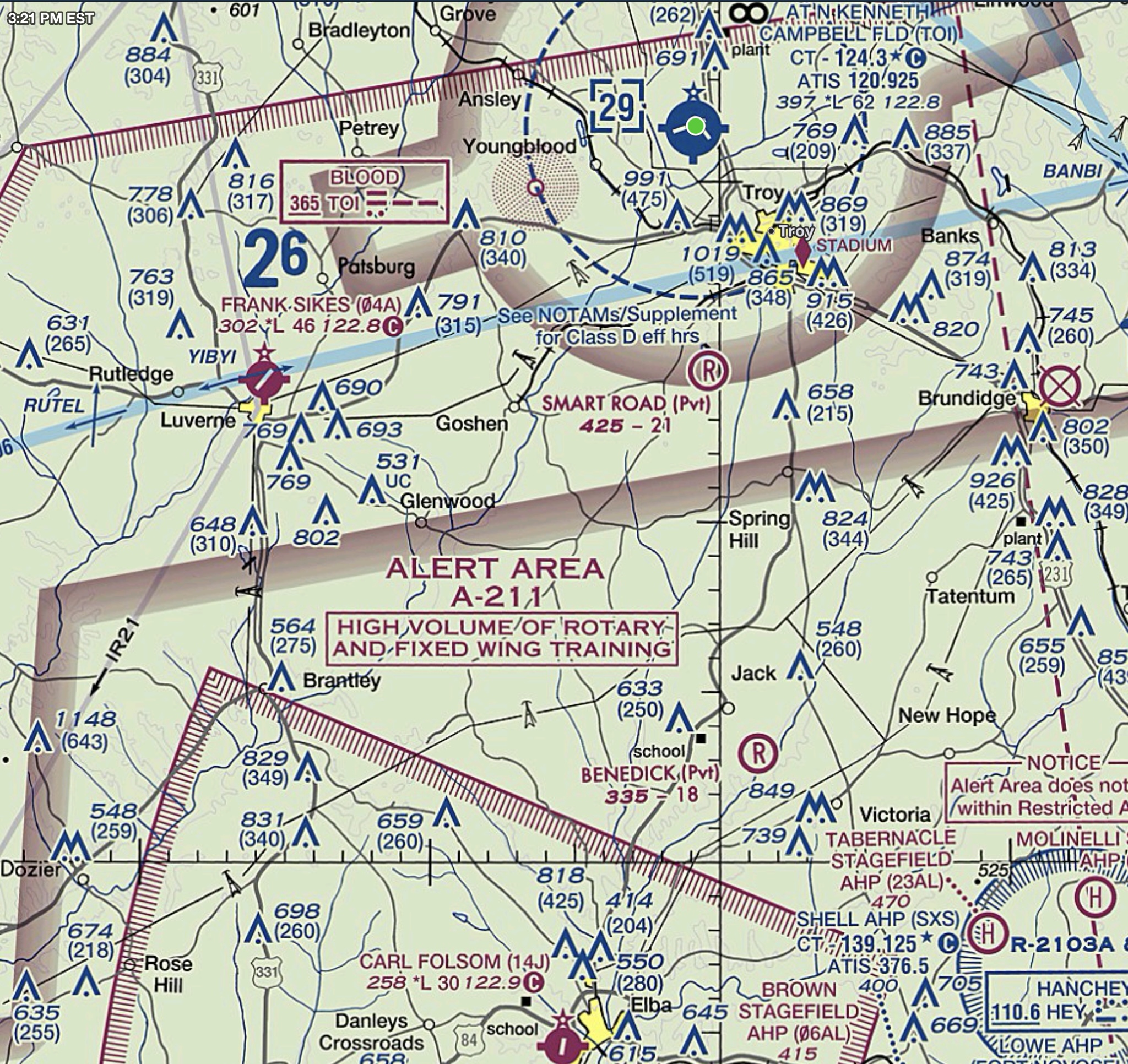
Alert Area (A)
An alert area is an airspace where a large volume or aircraft activity occurs. Usually these are areas where pilot schools or other high volume traffic such as glider or skydiving.
Example: pilot training, parachute jumping, sky jumping
Controlled Firing Area (CFA)
A controlled firing area is airspace designated to contain activities related to military firing, however, compared to a restricted area, it may be stopped for non-participating aircraft.
Examples: Blasting, rockets
Military Operation Area (MOA)
A military operation area is separate only IFR traffic from military activities.
Example: Air combat maneuvers, air intercepts
National Security Area (NSA)
National security areas is an designated area to enhance national security and protect national assets.
Example: nuclear site, power plants