
Regulation For Engine Failure (Part 121)

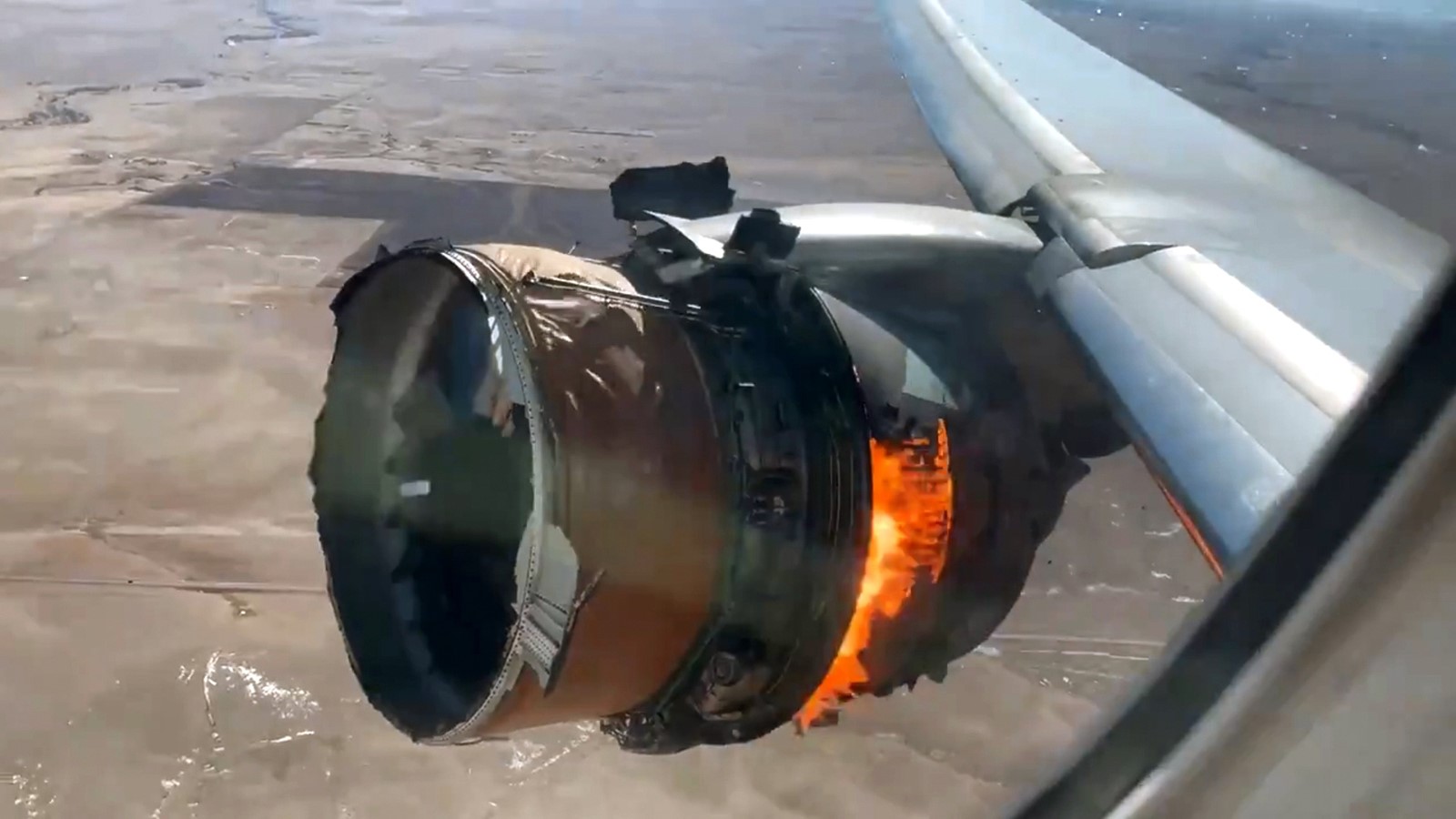
Engine failure is an emergency that must be clearly defined and handled. In most air liners, when an engine failure occurs, the flight crew will reference their QRH (Quick Reference Handbook) to guide their decision.
In most cases, the decision will be to "land at the most suitable airport, in point of time, at which a safe landing can be made".
The regulation that enforces this decision is §121.565(a) in which it states:
Except as provided in paragraph (b) of this section, whenever an airplane engine fails or whenever an engine is shutdown to prevent possible damage, the pilot in command must land the airplane at the nearest suitable airport, in point of time, at which a safe landing can be made.
However, there can be some cases when an aircraft that has more than three engines and not more than one of them fails is able to continue to the destination airport.
§121.565(b) states that:
If not more than one engine of an airplane that has three or more engines fails or is shut down to prevent possible damage, the pilot-in-command may proceed to an airport that the pilot selects if, after considering the following, the pilot makes a reasonable decision that proceeding to that airport is as safe as landing at the nearest suitable airport:
If the PIC believe it is reasonable and safe to continue to the destination airport, after they land, according to §121.565(c), they must write a written report on why they believed it was safe to do so to their director of operations. The director of operations have 10 days to give this report to the FAA Flight Standards Office.
You should also read:

Definitions of Domestic, Supplemental, and Flag (Part 121)
As an aircraft dispatcher and pilot, it is important to know the definitions of domestic, supplemental, and flag. If you are working or operating a Part 121 airliner, you will be operating in one of these three categories. In order to qualify as a domestic…
Continue reading...